Board Games by Galaxsys: Compare How They Play
Board games use moves and an opponent rather than a reel spin. Galaxsys lists Dominoes, Backgammon and Hexagon in this group. Compare the board and turn rules first; a match score is a different measure from a cash return.
How a round works
A game starts with a board or set of tiles. Players take turns under the rules until a hand or full game ends.
Dominoes asks the player to connect tiles by matching dots along a chain. The demo highlights legal placements and allows a stock draw when needed. Hexagon uses moves that clone or jump pieces, with nearby opposing pieces changing sides. That makes the next board position central to the choice.
Backgammon uses dice and checker moves, but this site has no playable demo URL for it. Its review remains available as a rules guide. A missing launch link is left visible in the comparison, with no substitute game offered under the same name.
Compare every game in this group
RTP describes a long-run rate. The observed return is a small sample, not RTP or a forecast. Published multipliers and loaded money caps are separate limits; mode and version notes matter.
| Game | RTP (official rules) | Max win / multiplier (official) | Observed return: 100-round demo, small sample | Demo |
|---|---|---|---|---|
| About Backgammon | — | — | — | No playable demo |
| About Dominoes | — | — | — | Practice with Dominoes |
| About Hexagon | — | No fixed cap; table stakes and pot | — | Practice with Hexagon |
What the demo sessions showed
Observations come from timed demo sessions and availability checks on 14–15 November 2026 (UTC); completed hands or games are counted, with no measured cash return.
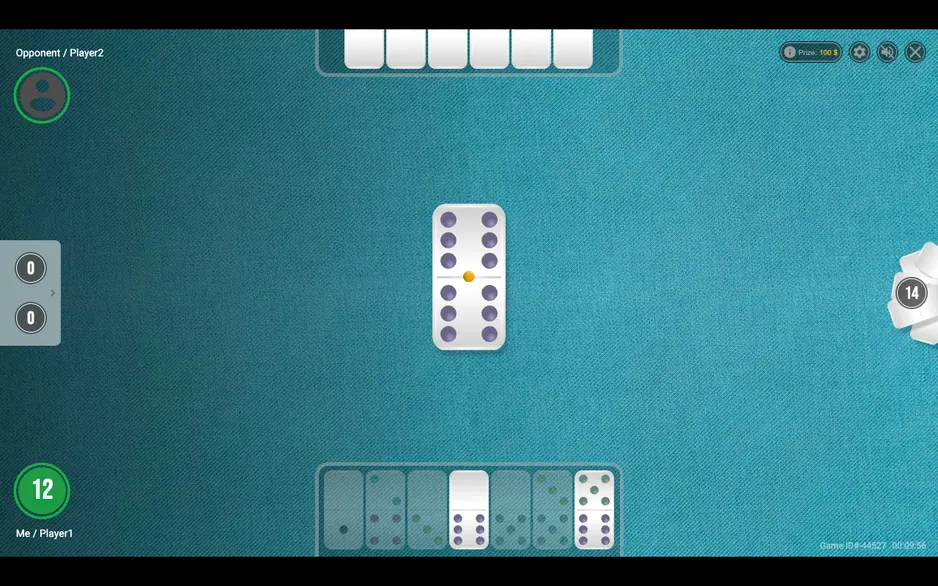
Dominoes completed 30 hands and two matches in its timed demo session. The hands split into 17 wins and 13 losses. One completed match ended 265–210; the other ended 130–275. Those figures are board points, not credited money.
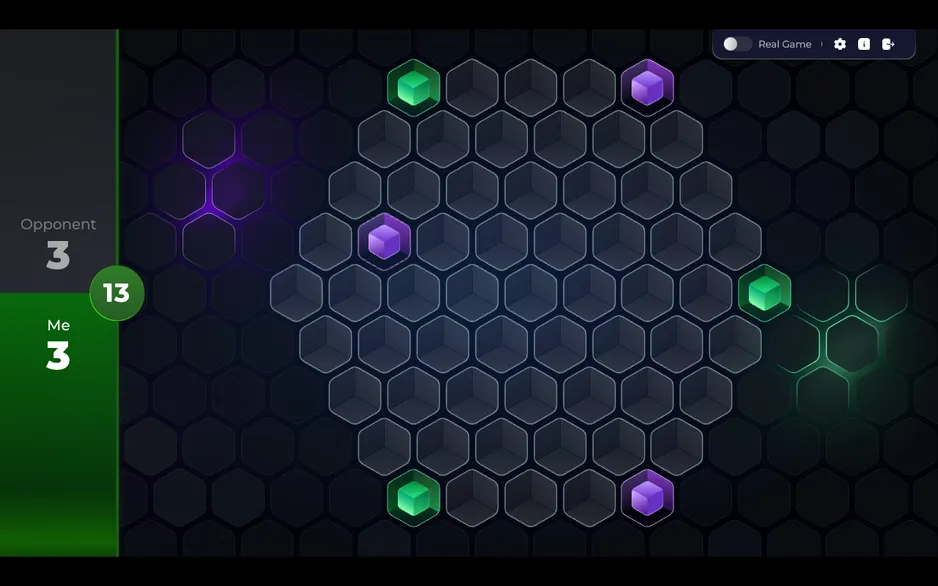
Hexagon completed six games using a clone-first approach. All six ended in wins. The first finished board had 40 player cubes against 21 opposing cubes. The sample is small and describes one simple choice pattern against the demo opponent. No paid return can be inferred from those scores.
Backgammon had no session because no demo URL was available. The availability check recorded zero rounds. Screenshots below come from the playable board demos, not from Backgammon.
What to check before play
Use a demo to learn the highlighted legal moves and the point at which a hand becomes a match result. Check the timer as well as the board. A timed-out move may be played by the game, which changes how much control remains during a pause.
No financial return was measured in these board sessions. The practice sessions record board scores. The table compares each game’s rules and session results. Read any cash-table terms separately from the demo board rules.
18+ only for real-money play, where allowed. Demo credits have no cash value. Set a spending limit and avoid chasing losses.
Frequently Asked Questions
Is there a Backgammon demo on this site?
No. The saved catalog check found no demo URL. The review is available, but no playable demo link is offered.
Do the board scores show cash won?
No. Points and cube totals describe game outcomes. The saved sessions supply no measured financial return.
Were 100 board games completed?
No. The timed sessions completed 30 Dominoes hands and six Hexagon games. Backgammon had no playable demo.